Vanilla Bean Angel Food Cake


It's Carson's birthday!  We are on day 3 of celebrating over here, after having a little party on Saturday and of course Father's Day yesterday.  It's all very confusing for our almost-three-year-old daughter, who thinks every birthday party is HERS.  On Saturday, Carson requested a "light fluffy cake" with berries and whipped cream, so I found this recipe for a Vanilla Bean Angel Food Cake.

For the first time, I made this type of cake properly with a grocery store-bought angel food cake pan.  Follow these three pointers, and you TOO can enjoy this deliciously "light and fluffy" treat:

1. As tempting as it may be, do not grease the pan.  Apparently the cake needs something to cling to. 
2. Fold your ingredients together!  Google "how to fold cake batter" if you need a tutorial.
3. Once baked, turn the cake upside down on top of a beer bottle to prevent cake from collapsing.

Happy Birthday Carson :)

Chef John’s "Sunset" Michelada – I Only Refer to Myself in the 3rd Person When I Drink

About halfway through this video production for how to make a Michelada, I realized I was getting paid to drink beer, which made the experience that much more enjoyable, and that’s saying a lot.

This spicy, savory, tangy, amazingly refreshing beer-based cocktail is considered one of the best hot-weather, adult beverages ever. I’ve heard it described as “Bloody Mary meets Mimosa,” which makes me never want to go to brunch again, but it’s also kind of accurate.

While that may not sound like something you would enjoy, most people do, and very much so. And the hotter it is, the more they enjoy, both literally and figuratively.  There’s something about how that slightly bitter, effervescent beer works with the sweet-sour-spicy profile of the other ingredients.

Even though they may seem like odd additions, things like the soy and Worcestershire are very important here, since they bring savoriness, or “umami” as the foodies would call it, to the drink.

I would never wish a horrendous heat wave on anybody, but, if one were to come your way, I hope you give this delicious, and restorative, Michelada “beertail” a try soon. Enjoy!


For Each Michelada:
lots of ice
1/2 tsp Worcestershire sauce
1/2 tsp hot sauce or to taste
1/8 tsp soy sauce
juice from half a lime (use other half to rim glasses with salt, freshly ground black pepper, and chili pepper)
1/4 to 1/3 cup tomato juice or homemade vegetable juice (see below)
1/2 bottle ice-cold Mexican lager (6 oz)
lime slices to garnish

For the vegetable juice (makes about 3 cups):
2 pints sweet cherry tomatoes, washed, drained
1/4 cup chopped celery
1/4 cup chopped red bell pepper
salt and pepper to taste (unless you use a ton on the rim like I did)

Unforgettable: Bold Flavors from a Renegade Life

I'm a big fan of Paula Wolfert. She has an amazing talent for a kind of culinary cultural anthropology, exploring various cuisines, digging in deep, learning and documenting recipes like nobody's business. I have relished my time with her, especially at her home in Sonoma and subsequently in a class. I love hearing her stories, getting her career advice, not to mention having her cook for me. So I couldn't be more excited to learn of the plan to document her extraordinary life, along with some of her most important recipes. Leading the charge is former Food & Wine editor and cookbook author, Emily Thelin. The top team also includes photographer Eric Wolfinger and my friend, Andrea Nguyen who is acting as project manager.

I was planning to run this interview with Andrea in hopes of encouraging you to support the project and help it to meet its goal. Fortunately the initial goal has been reached. Now it's time to s-t-r-e-t-c-h and make this project even more special by lending your support to help reach the next milestone. Visit the kickstarter page to learn more. 

1. How did this project come about?
Andrea Nguyen: Last year, my friend Emily Thelin (formerly of Food & Wine) told me she wanted to write Paula’s biographical cookbook, and that Eric Wolfinger had offered to be the photographer. Eric had also suggested that they publish it themselves as an experimental project, true to Paula's renegade spirit. Emily told me she saw parallels between Paula's and my immersive approaches to our books. Given my experience writing and publishing four cookbooks, she asked if I would help.


2. Who is publishing the book? 
AN: We’re self-publishing Unforgettable. 


3. Why did you decide to go the kickstarter route?
AN:Crowdfunding this project allows us to do meaningful, small-batch cookbook publishing. It has its challenges but it hasn't been as hard as we thought. We're lucky to be pros in our respective areas and plucky enough to get this going. Knowing people like you is invaluable.


4. What is the process for the book? Are you cooking all the recipes with Paula? 

AN: Incredibly, we’ve met our minimum funding goal. If we’re lucky to reach our stretch goal of $80,000 we’ll be able to double the print run and comfortably cover costs. From now until July 11 when the campaign ends, it’s full tilt boogie to garner community backing for Unforgettable.

Paula wrote nine cookbooks and as you can imagine, can come up with a recipe off the top of her head. A group of folks familiar with Paula’s work will work through roughly 100 select recipes to find ones that are most suitable for the book. Vivid, doable, compelling recipes that speak to Paula’s life journey are what we’re aiming for.

Once we’ve got our short list, we’ll cook through many of them with Paula at her home. Those sessions will enable us to convey the connection between food and memory, the savors of life.

Right now, with the campaign just having been launched, we’re focused on making it super successful. With everybody’s support, we’ll cross the finish line with the ability to make a stellar publication.


5. Paula has greatly changed her own personal diet since her diagnosis, how many recipes will reflect this? 
AN: Many of them will but not all of them. It’s hard to pin point a number because making a book is a fluid process. We do want to incorporate recipes, ideas and techniques that speak to Paula’s current lifestyle. She has ironically been ahead of the curve for most of her life. This time, she has a few companions with her.

Thanks Andrea!

Now please do watch the video above if you haven't already, and head to the kickstarter page to support this project (yes, there are thank you gifts!)

Homemade Treats for Dad

I always find Father's Day hard to shop for.  Most of the cool, techy toys I know Carson would LOVE are like, stupid expensive (I'm talking to you, drones).  I've found homemade gifts are the most meaningful, whether that's a customized beer bottle label from this site, or a baked treat from MY site!  Here are some ideas!  Exclamation points!  (Or is it marks?)


Father's Day cooking...


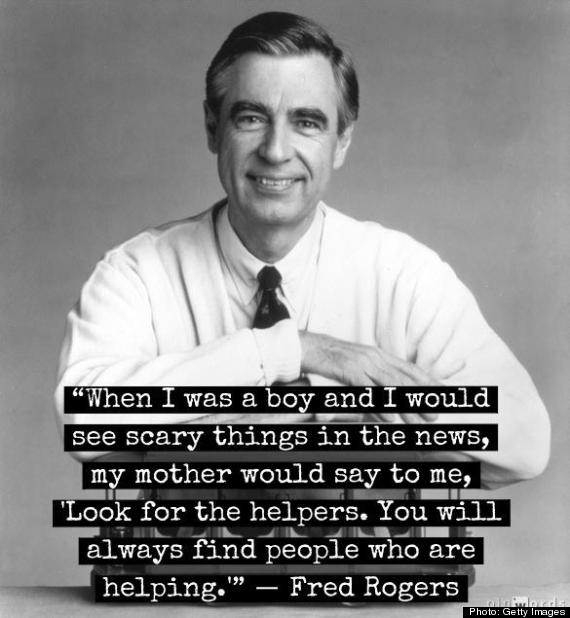
First of all, my heart is breaking for those affected by the tragedy in South Carolina.  I can't wrap my head around something so cruel.  It may seem silly, but when unfathomable things like this happen, I think of this Mr. Rogers' quote because it's a simple reminder that there is good in the world.

There's no easy transition from that, so I will just move on.  This morning I was on the Today Show with Carson, making his favorite Father's Day meal, which consists of a grilled bone-in ribeye and a zucchini and summer squash gratin (honestly, HOW do you pronounce that word?).  You can check out the segment in its entirety and view the recipes here.  And if you care to read the article I wrote about Father's Day that Carson references, you can check that out here.

I'll be back at Today next week, so please continue to tune in!


All photos by the lovely Samantha Okazaki.

Mocha Semifreddo – Bad Technique Makes for a Great Frozen Summer Dessert

I got a request for semifreddo recently, and since it is a massively underrated summer dessert, I decided to give it a go. I love the rich taste, and the fact that you get what’s basically an airy, custard-style ice cream, without having to use a machine. However, it all comes at a cost.

The classic procedure is a little bothersome, since you need to make three separate components – a zabaione, a meringue, and whipped cream – so, I decided to simply use the eggs whole, and make a “zabaringue.” I knew I wouldn’t get as much volume, but I didn’t care.

One of my issues with semifreddo is that they’re sometimes too airy, and the flavor gets spread too thin.That wasn’t a problem here, and yet this much simpler version retained a wonderfully light texture despite the shortcut. I decided on a mocha-flavored semifreddo, since coffee is a pretty manly ingredient, and this sure would make a nice Father’s Day dessert. I hope you give this a try soon. Enjoy!

Warning: Answering questions about how to use this technique to make other flavors is tough, since there are many variables. Theoretically, if you replace the coffee and liquor, with other “stuff,” then you should get a similar product. Good luck!


Ingredients for 2 portions:
- For the egg/coffee mixture:
 2 large egg eggs
 2 tbsp sugar
1 1/2 tsp instant coffee
1 tablespoon Kahlua
1 tsp unsweetened cocoa
tiny pinch salt
 - For the whipped cream:
1/4 cup ice cold heavy whipping cream
1 tbsp sugar
-Combine and freeze until firm. If using a loaf pan, line with plastic first!

Cranberry Cornmeal Cookies

Untitled

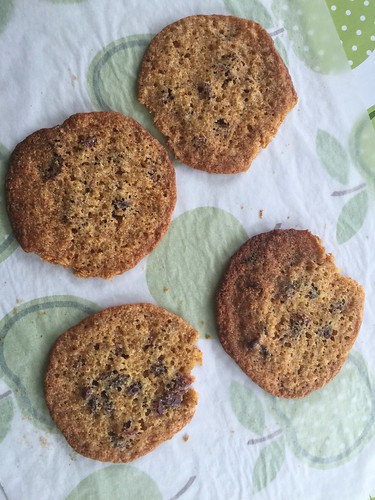
This awesome cookie is from an equally awesome book - The Perfect Egg - from a likewise awesome pair of bloggers: Spoon Fork Bacon. I made them with Dante on a cold and rainy afternoon, and I'm happy to report success. But beware of a few things:

1. Don't overbake. It's easy to do, but will result in crisp rather than chewy cookies, and worse, slightly bitter ones. So watch them.

2. Space. These cookies need their space. A lot of it. So don't overcrowd them. I say six per baking sheet would be perfect. I tried nine, and ended up with big blobby cookies that ran into one another.

3. I've made some adaptions. I changed quantities a little and I'm using metric measurements. I can't find corn meal in Sweden, and as I was baking with a two-year old, I skipped any refrigeration and resting time. (which probably explains the massive spreading.) Need the original recipe? I heartily recommend buying the book.

Got all that? Well, let's go bake.

Cranberry Cornmeal Cookies
about 20-25 cookies, depending on size
adapted from The Perfect Egg by Teri Lyn Fischer and Jenny Clark

180 ml flour (bread flour is recommended, all-purpose is fine)
175 ml polenta (we don't have corn meal in Sweden.)
1/2 tsp baking powder
1/2 tsp baking soda
1/4 tsp salt
110 g butter, at room temperature
120 ml sugar
120 ml honey
2 eggs
1 tsp vanilla  extract
150 ml dried cranberries

In a bowl, combine flour, polenta, baking powder, baking soda and salt.

In another bowl, cream butter, sugar and honey until pale and fluffy. Add the eggs and vanilla, and mix well. Add the dry ingredients, and finally the cranberries.

At this stage, you could (and probably should) chill the batter. Or go ahead and bake, which is what I did. Drop about 1 tbsp of batter per cookie (a little more), very well spaced, on lined baking sheets. Bake at 175°C for about ten minutes - start checking at eight! They should get a little brown around the edges but you don't want them to brown too much.

Let them cool before removing from the sheets, or they're very prone to breaking.

These freeze well!


Frozen Peanut Butter Banana


Carson came home from work the other day and was raving about this easy recipe: a banana, sliced in half, smothered in peanut butter and frozen.  What a great thing to keep in your freezer for a sweet, savory, healthy snack!  I, of course, would dip it in dark chocolate, maybe roll it in coconut... but I don't know when to stop.  You should make this, thanks Joy Bauer!    


Speaking of Carson, I wrote a little something about him for Father's Day here.  If you enjoy, please share, and vote, or better yet... join the site and write your OWN!    

Nectarine Salsa – Stone Cold Delicious

I’ve always loved the marvelous contrast between a hot, smoky piece of meat, and a cold, fruity salsa; and this version featuring nectarines did not disappoint. In fact, the only thing that pairs better with this fresh fruit salsa is a basket of crispy tortilla chips.

This salsa will work with any stone fruit, but nectarines are my favorite. They’re usually sweet, even when still a bit firm, which I prefer texturally over a perfectly ripe price of fruit. Having said that, if you do have a few peaches to use up this summer, this is something to keep in mind.

As I said in my closing arguments at the end of the video, if you think fruit salsa is just too weird, then you need to be reminded that tomato, a fruit, is the most popular salsa ingredient of all time. I rest my case…again. Hope you give this a try soon. Enjoy!


Ingredients for about 2 cups Nectarine Salsa:
*Note: everything here is “to taste,” so adjust accordingly.
1 cup finely diced nectarine
1/3 cup finely diced onions
1/2 cup finely diced red bell pepper
2 tbsp finely diced jalapeno pepper
1 tbsp chopped cilantro
2 tsp olive oil
1 tbsp fresh lime juice
1/2 tsp salt, plus more to taste
pinch cayenne
pinch freshly ground black pepper

Interview with Hugh Acheson

Chef Hugh Acheson | Photo by Andrew Thomas Lee
Chef Hugh Acheson released his third book, The Broad Fork: Recipes for the Wide World of Vegetables and Fruits, last month, which I reviewed in a round up of Southern cookbooks recently. It's an exciting cookbook with truly creative combination of ingredients and a focus on using vegetables you might just find at a farmers market or in a CSA box. We got a chance to meet and talk while he was in San Francisco just last week. 

Where have you been eating in the Bay Area? Any standouts?
Octavia, La Taqueria, Deli Board. For coffee--Sightglass, Blue Bottle and Coffee Cultures. Up in Healdsburg--Healdsburg Shed, Scopa, Dry Creek Kitchen. Hana for sushi in Rohnert Park was phenomenal. I'm looking forward to checking out Souvla today. 

What kinds of restaurants appeal to you the most? 
I’m always looking for current and contemporary and "ethnic" food. When I travel it’s usually long days, so I don't want a three hour, 12 course meal, I find them exhausting, I don’t eat much, I like to try a lot of things.  I like a place with good wine, with good burgundy.

Your culinary influences are so diverse—French, Southern, Japanese, Indian, Mediterranean—what is your process for creating a dish? 
I’m trying to pick up on nuances of flavor. It’s important that recipes are grounded in culinary logic. I try to make sure I’m putting together a puzzle that works, and in the case of  The Broad Fork, respecting the actual vegetable. I don’t like overwrought food—I prefer food to be light on the palate. I just want people to cook more. 

We went through a period 20 years ago of using ingredients and coming up with dishes like wasabi mashed potatoes. It showed a shallow knowledge of cultures. Now we’re cooking a lot more from scratch. Our understanding is much more relevant as ingredients are more accessable. Umami type flavors are more prevalent than ever before. Most of the recipes in the book are not complicated, I’m not having you stuff a chicken and age it in a tree for three months.  

For years the press has talked about “vegetables moving to the center of the plate.” It’s starting to happen in some San Francisco non-vegetarian restaurants. Will it happen with home cooking, in restaurants? At any of your restaurants?
We are moving towards it, protein prices have become exceptionally difficult and it’s hard to have quality and not charge $45 a plate. I don’t eat 6 ounces of protein anymore, 3-4 ounces is plenty. 

What role does pickling and preserving play in your cooking?
The Southern larder is all about pickling and preserving, as we get to the bottom of it and nerd out on it you can see the world’s pantry revolves around those things too. We’re nerds, we are learning whole new genres and saving the season's bounty. 

What are some good recipes for home cooks who are just getting started with pickling and preserving?
Americans get scared by fermentation but they eat and drink fermented food all the time. The fears are real, but there are smart common sense rules. I’d recommend making vinegar, but not just adding tarragon to white vinegar and hoping for the best. Or make sauerkraut. Or carrots with ginger or pickled peppers. Kimchi. Making these things is like science projects for my kids. 

You are one of the only chefs I know to advocate the use of a slow cooker and pressure cooker. How do you recommend using them?
You can make chicken stock in both! I think the slow cooker is just an evenly tempered cooker. You can slow cook lamb shanks over 8 hours.

Pressure cookers may not be the chefs favorite things, but they are used everyday in Asia and Mexico—anywhere with legume rich cuisine. Both are excellent at tenderizing. You can make corned beef in 55 minutes, of course that’s after brining for a week. The best beans ever are cooked in the pressure cooker. Once you get used ot it you can control it. They are pretty versatile machines. 

What’s next for you? More restaurants, cookbooks, TV? 
Not another book! My full time job is running 4 restaurants. We're opening a coffee shop, we’re very into coffee at the restaurant.

I do a lot of public speaking. I have a charitable organization. We are creating a family consumer science program for grades 6-8 to give kids life skills--so they can make a vinaigrette, roast a chicken, poach an egg. So they don’t run into the dilemma of how to feed a family of 4 on 8 dollars. We have a school district that is going to put it into place. 

I’m also working on a healthy fast food concept. It’s called Broad Fork and we’re trying to form the right alliances. Think large plates, based on the Southern meat and 3 formula.  You will make your own plate with protein and lots of salad elements. A cafetaria model kind of like Chipotle.

Is healthy fast food the wave of the future? 
In San Francisco you're going to have Locol—I think Patterson and Choi are on to something. Beefsteak in DC. There’s a big market for changes and disruptive markets. When we say fast food and fast casual, it’s how America eats.